
Natural Diamond
Created by Earth.
Natural diamonds formed deep within Earth under geological conditions. Their microscopic growth features, inclusions and defect patterns reflect that natural history.
Black Jack® Diamond Education
Both are diamond material. The biggest difference is where and how the crystal formed: one through geological processes inside Earth, the other through controlled technology such as CVD or HPHT.
Laboratory-grown diamonds have essentially the same chemical composition, crystal structure, physical properties and optical properties as natural diamonds, while retaining growth features that advanced gemological testing can distinguish.
Side-by-Side Comparison
| Feature | Natural / Earth-Mined Diamond | Laboratory-Grown Diamond |
|---|---|---|
| Origin | Formed by geological processes deep within Earth and later brought toward the surface by natural geological events. | Produced by humans using controlled diamond-growth technology, primarily CVD or HPHT. |
| Material / Crystal Structure | Diamond crystal; essentially carbon in a cubic crystal structure, with possible trace elements and defects. | Diamond crystal with essentially the same chemical composition and crystal structure, also containing growth-related trace elements/defects. |
| Hardness | 10 on the Mohs hardness scale. | 10 on the Mohs hardness scale. |
| Optical Properties | Diamond brilliance, fire and scintillation depend heavily on cut quality and proportions. | Essentially the same diamond optical properties; brilliance, fire and scintillation likewise depend on cut quality and proportions. |
| Visible Appearance | Can contain inclusions and natural growth features. | Can contain inclusions and laboratory-growth features. Equivalent polished stones can be difficult or impossible to separate reliably by unaided visual inspection alone. |
| How Origin Is Identified | Professional gemological testing evaluates growth features, spectroscopy, fluorescence and other characteristics. | Professional testing uses growth features, fluorescence, spectroscopy and advanced instruments to identify laboratory-grown origin. |
| Growth Time | Created naturally over geological timescales. | Produced through controlled laboratory growth over a much shorter manufacturing timeframe. |
| Independent Documentation | May be submitted to gemological laboratories for applicable grading/identification services. | May be submitted for laboratory-grown-specific grading, quality assessment or identification services, depending on the laboratory and stone. |
| Retail Price | Typically commands a higher retail price for comparable size/quality because it belongs to a different supply and rarity market. | Typically available at a lower retail price than a broadly comparable natural diamond, although actual prices vary substantially. |
| Resale / Future Value | Resale depends on stone quality, documentation, brand, condition, market demand and dealer spread; no future price is guaranteed. | Resale also depends on quality, documentation, brand, condition and market demand; no future price or retained percentage should be assumed. |
| Environmental / Sourcing Claims | Impacts vary by mine, geography, operator and supply chain. | Impacts vary by energy source, reactor efficiency, location and manufacturing supply chain. Broad “eco-friendly” or “sustainable” claims require specific supporting evidence. |
| Best Fit for | Buyers who specifically value natural geological origin, rarity narratives and the traditional natural-diamond market. | Buyers who want diamond properties, design flexibility and generally lower upfront pricing while knowingly choosing laboratory origin. |
Why Origin Matters
Natural diamonds formed deep within Earth under geological conditions. Their microscopic growth features, inclusions and defect patterns reflect that natural history.
Laboratory-grown diamonds use controlled CVD or HPHT methods. Their distinctive growth structures and atomic-scale defects allow qualified laboratories to identify their origin.
How Laboratory-Grown Diamonds Are Made
Both methods grow diamond crystal, but they create the required growth environment differently.
Black Jack product disclosures should identify the stone as laboratory-grown. Growth method and any relevant post-growth treatment can be documented where available.
A diamond seed is placed in a low-pressure chamber with hydrogen-rich carbon-containing gas. Energy such as microwaves creates a plasma, and reactive carbon species deposit on the seed, extending the diamond crystal over time.
HPHT creates a high-pressure, high-temperature environment in which a carbon source dissolves in a metallic flux and diamond crystal grows on a seed under controlled conditions.
Diamond vs Look-Alike
Essentially carbon in the diamond crystal structure, with diamond hardness and optical/physical properties.
A different gemstone material with different chemistry, optical behavior and identification characteristics.
A diamond simulant with different chemical, physical and optical characteristics from diamond.
Identification & Documentation
A high-quality polished laboratory-grown diamond can look the same to the unaided eye as a broadly equivalent natural diamond. Professional identification uses growth-related features and advanced testing.

Price, Value & Buying Decision
Natural and laboratory-grown diamonds operate in different supply and pricing markets. Neither type should be sold with a guaranteed future resale value unless a specific contractual program actually provides one.
A natural diamond may appeal to buyers who value geological rarity, natural origin and the long-established natural-diamond market.
Lower typical retail pricing can allow buyers to prioritize a larger diamond, higher specifications or more elaborate jewelry design within a fixed budget.
Second-hand offers depend on dealer demand, brand, documentation, quality, current wholesale/retail pricing and condition.
For most jewelry buyers, design, quality, budget and personal meaning are more predictable decision factors than future resale speculation.
Why Black Jack Laboratory-Grown Diamond Jewelry
Products are described to distinguish laboratory-grown origin from natural/mined diamond origin.
Choose from different carat weights, shapes, metals, settings and custom jewelry options subject to availability.
Finished jewelry is reviewed for the applicable stone, setting and manufacturing specifications before dispatch.
Black Jack documentation is provided as applicable; independent grading/assessment may be available where eligible and ordered.
Explore Black Jack

Diamond jewelry designed around carat, shape, metal and setting preferences.
Shop Engagement Rings →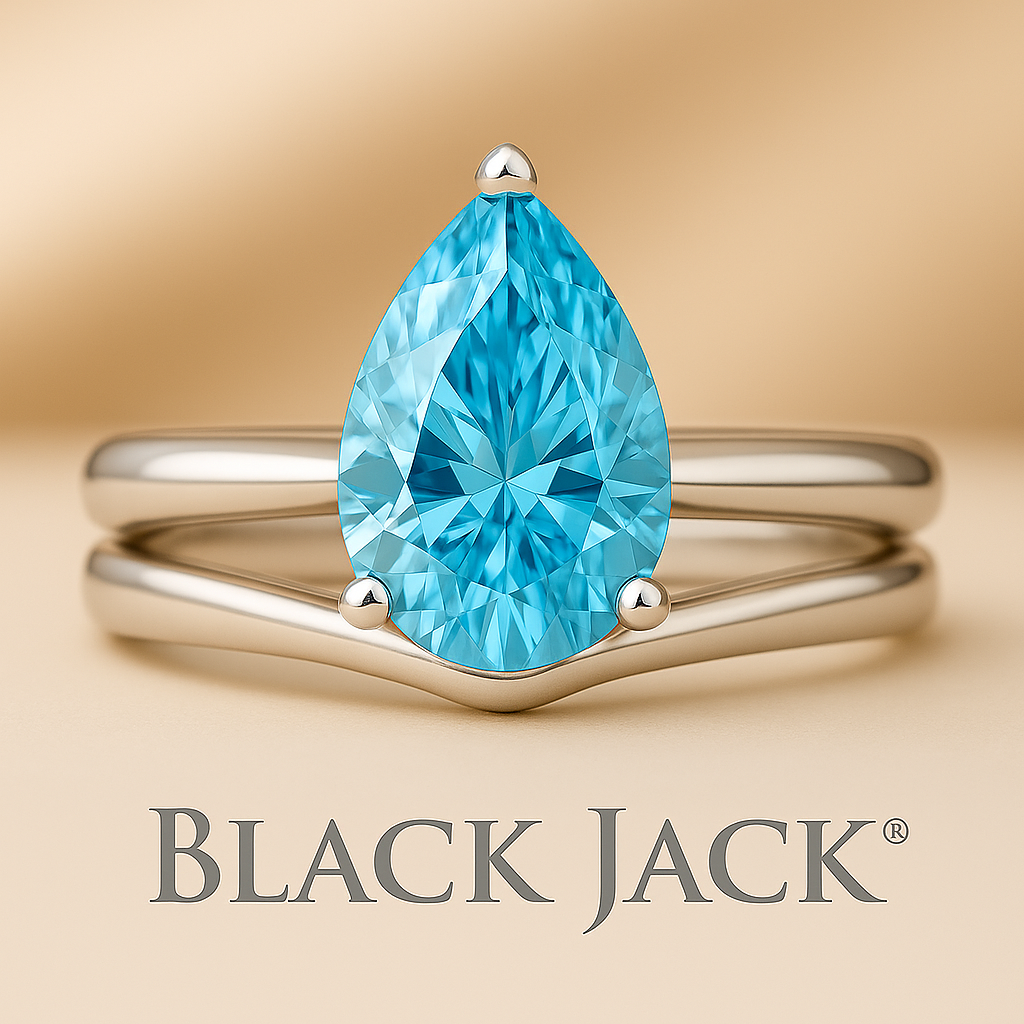
Start with a reference image, stone preference or completely new idea.
Start Custom Jewelry →
Choose by shape, dimensions, carat and final jewelry design rather than origin claims alone.
Explore Jewelry →Natural vs Laboratory-Grown FAQ
Science & Disclosure References
GIA explains that laboratory-grown diamonds possess essentially the same chemical, physical and optical properties as natural diamonds, while advanced testing can distinguish origin. View GIA reference →
Background on the two main laboratory diamond-growth processes and their identifiable growth features. View GIA reference →
FTC guidance calls for clear and conspicuous laboratory-grown/laboratory-created disclosure so consumers understand the product is not a mined diamond, and cautions against unsupported broad environmental claims. View FTC guidance →
Diamond Buying Help
Send Black Jack the carat, shape, color, clarity, cut details, certificate/report information and your target jewelry design. We can help you compare the specifications that affect the finished piece.